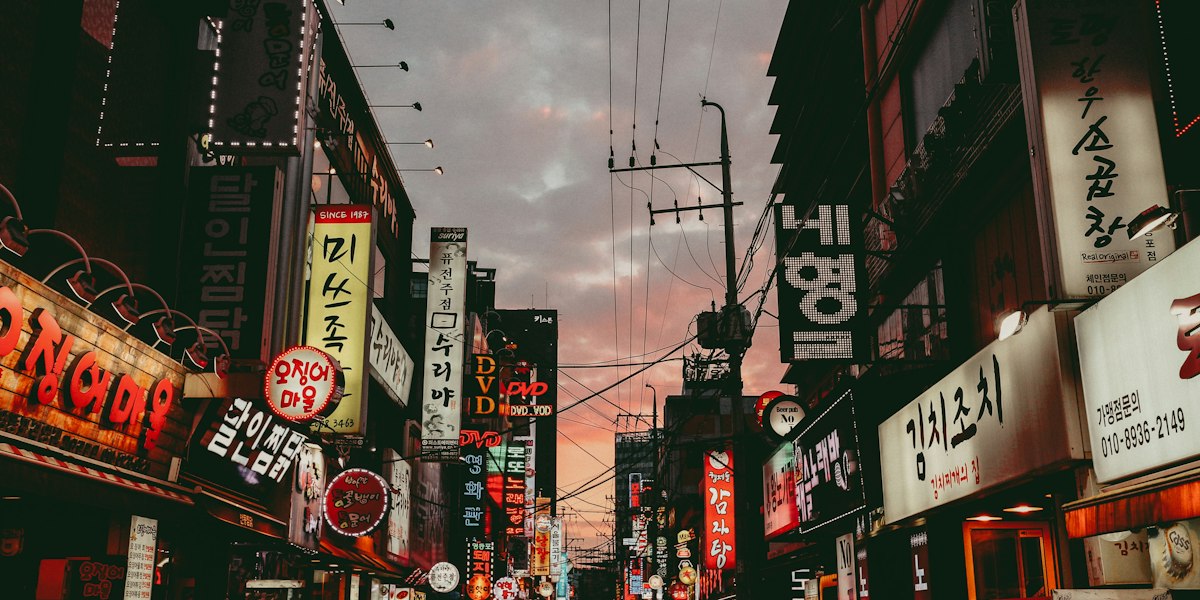
Five years ago, barely a handful of Indian families had South Korea on their study-abroad shortlist. Now it turns up in real conversations, right next to Germany and Ireland. The reasons are plain. The country is affordable, it is strong in engineering and technology, and it wants far more foreign students than it currently has. If you are weighing where to study in South Korea as an Indian student for 2027, this guide walks through the costs, the intakes and deadlines, the Global Korea Scholarship, the student visa, and the universities worth a shortlist spot.
Not sure Korea is the right fit for your course? Talk to an EduAbroad adviser at app.goeduabroad.com and map your 2027 options first.
Why are Indian students choosing South Korea in 2027?
South Korea is recruiting international students hard. Its Study Korea 300K plan aims to reach 300,000 foreign students by 2027, up from roughly 209,000 in April 2024. For Indian applicants the pull is lower tuition than the West, respected engineering and technology programmes, and a job-search visa that lets you stay on after graduation.
Three things have changed the maths. First, the big Western destinations have tightened their student routes, and families are spreading their bets, a trend we covered in our look at the 2027 shift in study abroad destinations. Second, Korean universities have ramped up English-taught degrees, so you no longer need fluent Korean to apply. Third, the pop-culture familiarity that Gen Z already carries, from music to film to food, lowers the fear factor of moving somewhere new. Add a cost of attendance that often sits below a single year in London or Boston, and Korea starts to look less like a wildcard and more like a serious value pick. The government is backing that with scholarships and simpler visa pathways, because hitting 300,000 students by 2027 means courting markets like India in earnest.
How much does it cost to study in South Korea?
Public universities charge roughly 3 to 5.5 lakh rupees a year for English-taught degrees. Private universities in and around Seoul run higher, often 6.5 to 12 lakh rupees a year. Living in Seoul adds roughly 50,000 to 80,000 rupees a month for rent, food and transport, and smaller cities cost less.
That spread puts a Korean degree well below the sticker price of the US, the UK or Australia, where tuition alone can cross 25 to 40 lakh rupees a year. National universities and the science institutes tend to be the cheapest, while the famous private names in Seoul sit at the top of the range. The table below gives approximate annual tuition for popular choices. Treat these as ballpark figures and confirm the exact amount on each university's own admissions page before you budget, since fees shift year to year and vary by programme.
| University | Type | Approx. tuition per year (INR) |
|---|
| Pusan National University | National (public) | around 3 lakh |
| POSTECH | Private science institute | around 4 lakh |
| Seoul National University | National (public) | around 4.5 lakh |
| KAIST | Public science institute | around 4.9 lakh |
| Yonsei University | Private (Seoul) | around 12 lakh |
| Living costs, Seoul | Monthly | around 50,000 to 80,000 |
One practical note on money. Korean student visas ask for proof that you can cover tuition and living costs, much like the bank-balance rule in other countries. If you are new to that requirement, our guide to proof of funds for a student visa explains how it works and what documents consulates expect.
What are the intakes and application deadlines for 2027?
Korean universities admit twice a year, in March (spring) and September (fall). Spring 2027 rounds at most universities close between September and December 2026. Fall 2027 rounds open from late 2026 into early 2027. KAIST's regular undergraduate round for fall 2027, as one example, runs from 10 November 2026 to 14 January 2027.
The takeaway for anyone reading this in late 2026 is that the clock is already running. If you are aiming for March 2027 entry, many windows have closed or are about to, so September 2027 is the realistic target for most fresh applicants. Build backwards from the deadline. You will usually need academic transcripts, a statement of purpose, letters of recommendation, an English test score, and a passport, and several of these take time to gather and attest. Indian documents often need apostille or attestation before a Korean university or consulate will accept them, so start that early. Each university sets its own dates within the broad spring and fall windows, which means two universities on your list can have deadlines a month apart. Check every target's international admissions page directly and keep a simple spreadsheet of dates, fees and document lists so nothing slips.
Do you need to know Korean, or can you study in English?
You can study in South Korea without speaking Korean. Top universities run dozens of fully English-taught degrees. KAIST lists around 65, POSTECH around 31, and Yonsei around 20. Korean still helps for part-time work, internships and daily life, and a TOPIK score (the standard Korean proficiency test) earns bonus points on many scholarship applications.
So the language question really has two answers. For admission to an English-taught programme, you submit an English score such as IELTS or TOEFL, and Korean is optional. For living well and working part-time, Korean matters more as you go, because employers and the part-time work rules both reward higher proficiency. A sensible plan is to apply in English now and start basic Korean before you fly, then push toward TOPIK level 3 or 4 during your first year. If you are still deciding which English test to sit, our comparison of IELTS, TOEFL, PTE and Duolingo breaks down which one Korean universities and your other target countries accept.
Want help shortlisting Korean universities that match your marks and budget? Compare options with EduAbroad at app.goeduabroad.com.
What is the Global Korea Scholarship, and how do Indians apply?
The Global Korea Scholarship (GKS) is South Korea's government scholarship, and it is fully funded. It covers tuition, a return economy airfare, a monthly living stipend (around 1.2 million won for undergraduates, more for graduate students), a year of Korean language training, and medical insurance. Indian students apply through one of two tracks, the Korean embassy track or the university track.
The embassy track routes your application through the Korean Embassy in India and lets you name several universities, which suits applicants who want options. The university track sends your application straight to one institution, which can mean less competition for that specific seat. India gets its own allocation of GKS places each year, with roughly 70 graduate seats in a recent cycle, so the odds are better than the global applicant pool makes them look. Timelines matter. The 2027 undergraduate embassy round ran in September 2026 and has closed. The graduate round, GKS-G for 2027 entry, is expected to open around mid-February to early March 2027 through the embassy, with university-track dates spread across February to April. If a fully funded Korean degree is your goal, set a reminder for the graduate window now and prepare your statement and recommendation letters in advance. For other funded options across countries, our roundup of study abroad scholarships for Indian students lists more deadlines worth tracking.
How does the South Korea student visa (D-2) work, and can you work after?
Full-time degree students enter on a D-2 student visa, applied for at a Korean visa centre after your university issues a certificate of admission. You can work part-time during term, with weekly hour limits that rise once you clear set TOPIK levels. After you graduate, the D-10 job-seeking visa lets you stay on to look for work and switch to a work visa once an employer hires you.
A few details save headaches later. The D-2 application needs your admission certificate, proof of funds, academic records and a valid passport, and processing is usually quick once the paperwork is clean. Part-time work is allowed but capped, and the cap is tied to your Korean ability, so early students work fewer hours than those who have passed higher TOPIK levels. Rules on hours and eligible jobs change, so check the current limits on the official Study in Korea portal before you count on a specific number. Health insurance is mandatory for international students, and most universities enrol you automatically. The real prize for career-minded students is the D-10 route after graduation, which turns a degree into a genuine shot at staying and working in Korea's tech and manufacturing economy rather than packing up the week you finish.
Which Korean universities are best for Indian students?
Seoul National University, KAIST, Yonsei and Korea University all sit inside the global QS top 100, with POSTECH, Sungkyunkwan (SKKU) and Hanyang close behind. Engineering, computer science, business and materials science are particular strengths. Most of these universities offer English-taught tracks, so international students can apply and study without fluent Korean from day one.
The three best-known names, Seoul National, Yonsei and Korea University, form the SKY group that carries the most weight with Korean employers. For technology and research, KAIST and POSTECH are the specialists, both small, selective and heavy on English-taught science and engineering. Sungkyunkwan and Hanyang round out the list with strong industry links, Hanyang especially for engineering and entrepreneurship. If rankings guide your shortlist, remember that subject rank often matters more than overall rank for a specific course, a point we made in our breakdown of QS subject rankings for Indian students. Match the university to your field and budget rather than chasing the single highest number, and check how many English-taught options each one actually offers in your subject.
Frequently asked questions
Is South Korea cheaper than the UK or USA for Indian students?
Usually, yes. Public Korean universities charge roughly 3 to 5.5 lakh rupees a year, and even top private universities in Seoul rarely cross 12 lakh. Tuition at comparable universities in the US or UK can run 25 to 40 lakh a year. Living costs in Seoul are real but still lower than London or New York.
Can Indian students work part-time while studying in South Korea?
Yes. D-2 student visa holders can work part-time during the semester, within weekly hour limits that increase as your Korean proficiency and TOPIK level rise. The exact caps and the list of permitted jobs change from time to time, so confirm the current rules on the official Study in Korea portal before you rely on a set number of hours.
Do I need TOPIK to study in South Korea?
Not for English-taught programmes, which accept IELTS or TOEFL instead. TOPIK, the Test of Proficiency in Korean, becomes important if you want a Korean-taught course, more part-time work hours, or bonus points on a scholarship application. Most students apply in English first and build Korean toward TOPIK level 3 or 4 during their first year.
When do 2027 applications for South Korea close?
It depends on the intake and the university. Spring (March) 2027 rounds mostly closed between September and December 2026. Fall (September) 2027 rounds open from late 2026 into early 2027, with each university setting its own dates. Check each target university's international admissions page, because deadlines can differ by a month or more.
Is the Global Korea Scholarship open to Indian students?
Yes. India has a dedicated GKS allocation each year through both the embassy and university tracks. The 2027 undergraduate embassy round closed in September 2026. The graduate round for 2027 entry is expected around February to March 2027. GKS is fully funded, covering tuition, airfare, a monthly stipend and a year of Korean language study.
Can I stay in South Korea to work after I graduate?
Yes. The D-10 job-seeking visa lets graduates remain in Korea to look for a job, and you move to a work visa once an employer hires you. Korea's push to keep skilled graduates, alongside its demographic need for talent, makes this one of the more welcoming post-study routes in Asia. Confirm current duration and conditions when you apply.
Conclusion
South Korea has moved from novelty to a reasoned choice for Indian students, and 2027 is a sensible entry year. The money works, the engineering and technology programmes are respected, English-taught degrees remove the language barrier at the application stage, and the GKS scholarship plus the D-10 visa give you a funded way in and a real path to stay. The one thing that trips people up is timing, since application windows for 2027 are already opening and closing. Pick your intake, list your universities, and start gathering and attesting documents now rather than in the new year. Do that, and a Korean degree is well within reach.
Ready to build your South Korea shortlist for 2027? Book a free consultation with an EduAbroad counsellor at app.goeduabroad.com and get a plan matched to your marks, budget and timeline.
Disclaimer
The information in this article is for general guidance only and was accurate at the time of publication. Visa policies, scholarship deadlines, tuition fees, and university requirements change frequently. Always verify details on official government and university websites before making decisions. EduAbroad is not responsible for any changes made after publication. For personalised advice, book a free consultation with our counsellors.